About Me
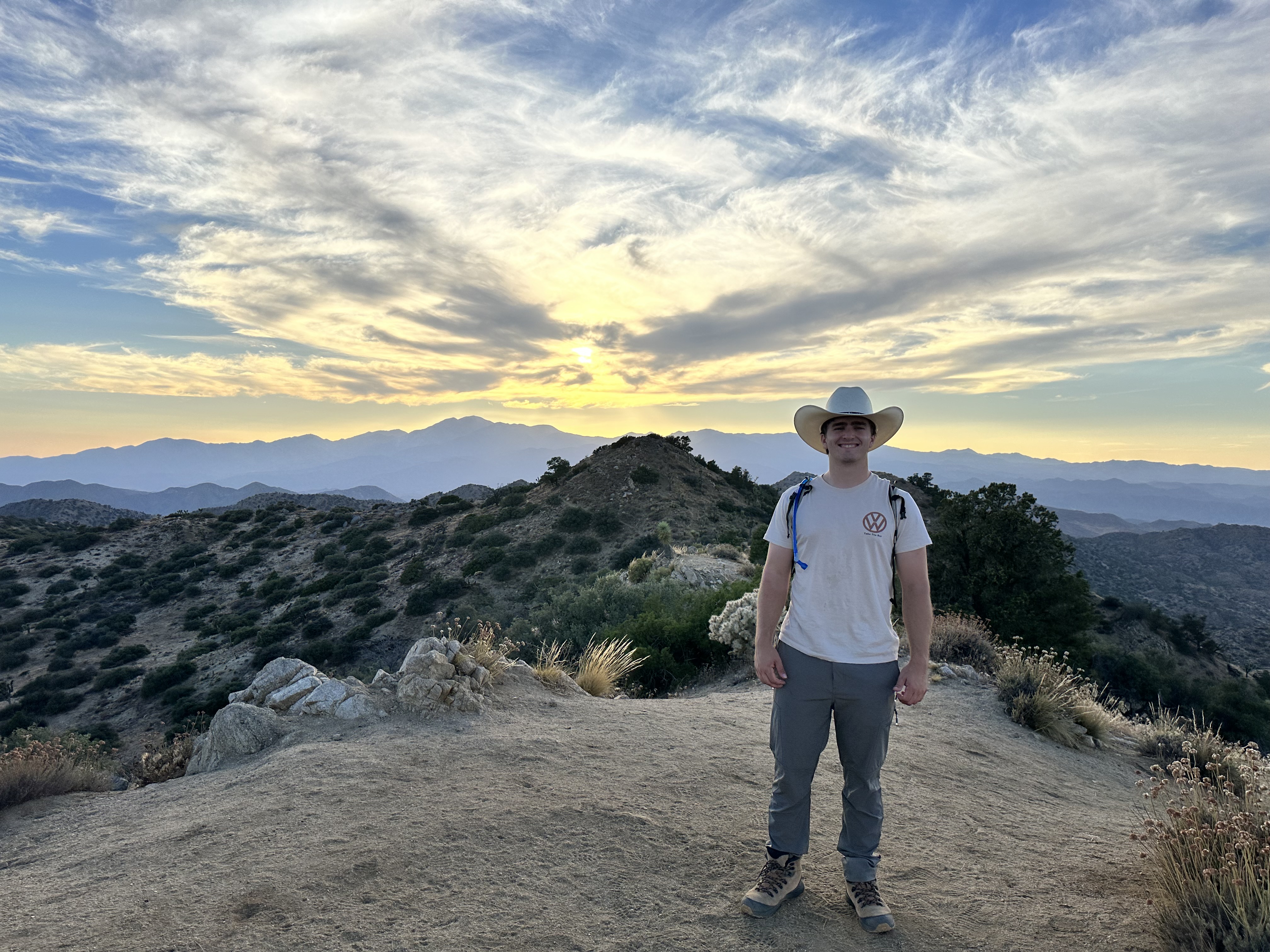
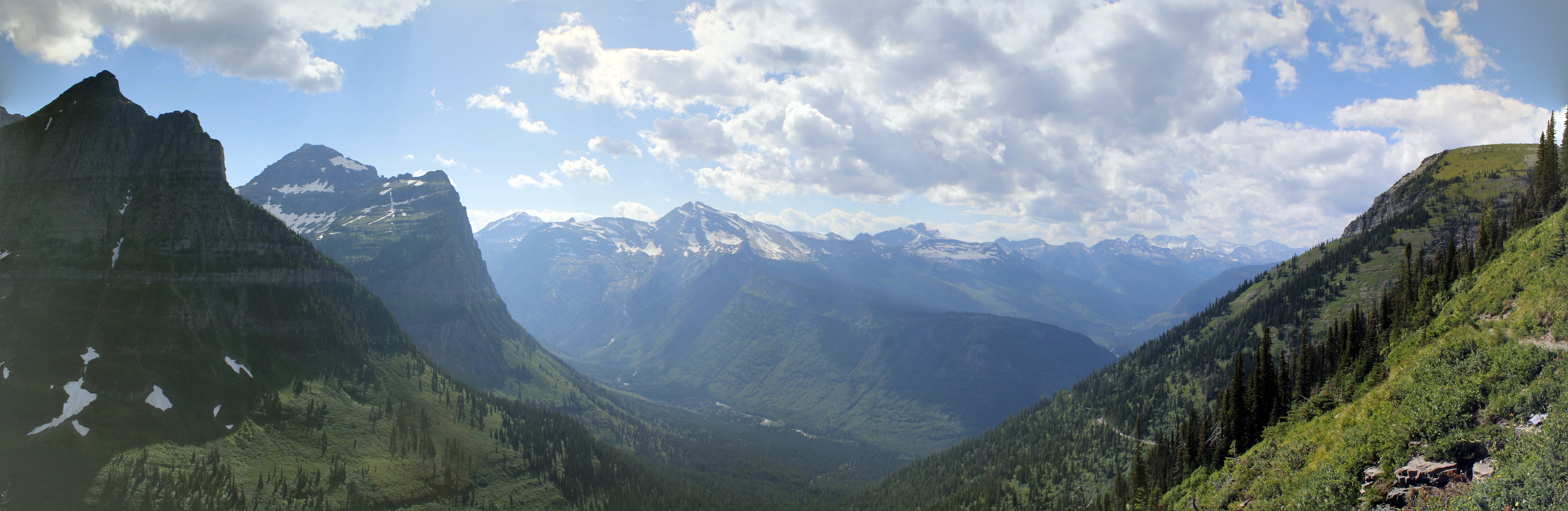
I'm Anthony Ricevuto — a Computer Science student attending California State University, Long Beach, who blends technical problem-solving with creativity and exploration. I build systems at the intersection of data, physics, and intelligence — from predicting satellite-debris risks to detecting anomalies in aircraft before they occur. In addition to my personal projects, I am a Software Engineer for the Long Beach State Baseball Team, building data pipelines that parse and analyze TrackMan sensor data to generate reports for coaches. These tools transform complicated pitch and hit information into simple analytics that inform in-game decisions and evaluations of each team player, melding my baseball foundation with my love for data engineering and analysis. It is not the code that makes me different, but the mentality. The discipline, focus, and strategy I learned when I was playing college baseball I carry over and apply to my engineering work as well: remaining quick to adapt and under pressure; being a team player, and improving all the time. Aside from coding, you would typically find me playing guitar, taking my dog to the beach, and road-tripping through national parks with a backpack and a camera. Spending time outside reminds me that engineering is not just about technology, it's about creating tools that enable us to discover, explore, and stretch the limits of the possible. I want to build at the intersection of software, data, and discovery — systems that actually matter.
Featured Projects
Long Beach State Baseball · Dirtbags Data Team
TrackMan Baseball Analytics Platform
End-to-end pitching analytics platform that converts raw TrackMan ball-tracking CSVs into automated, coach-ready PDF reports — processing 7,400+ pitches across the 2026 season with zero manual data handling.
What I Built
- Schema validation layer and shared metrics library (whiff %, contact quality, movement, custom inning-success model)
- Watchdog file-drop pipeline that regenerates player profiles and postgame reports automatically
- Flask web app with drag-and-drop upload for non-technical coaching staff
Results
- Same-night delivery of cumulative, postgame, and team-wide master reports
- 25+ outings tracked per pitcher with persistent JSON-backed profiles
- 14 internal docs; pytest coverage on the metrics library
Pre-Flight Anomaly Detection
Deployed Azure Function API that flags anomalous aircraft sensor readings using median and Median Absolute Deviation (MAD) statistics, with a public demo frontend and structured JSON responses. Engineered to align with NASA software engineering requirements — NPR 7150.2, NASA-STD-8739.8, NASA Secure Coding guidance, and the NASA/JPL Power of Ten rules.
What I Built
- REST API processing up to 10,000 readings per request on RPM, temperature, pressure, and voltage
- Modular Python package with transport-agnostic anomaly detection logic
- NASA-aligned engineering docs with traceable requirements, secure-coding controls, and a compliance matrix
- Demo frontend and CI gates for linting, type checking, and unit tests
Results
- Live deployed Azure Function with working public demo
- Returns normal operating ranges, summary stats, and flagged anomalies per feature
Space Debris Risk Assessment
Hybrid physics and ML system that ingests CelesTrak TLE data, propagates orbits with SGP4, and outputs ranked reentry risk scores via a modular Flask REST API and dashboard.
What I Built
- Flask backend with separated routes, services, models, TLE caching, and API validation
- Ensemble ML pipeline (Random Forest, Gradient Boosting, Neural Networks) over SGP4-derived features
- Batch processing for 598+ debris objects from the Cosmos 2251 catalog
Results
- Single-satellite analysis in under 100 ms; full debris-group processing in under 2 minutes
- Demonstrates how orbital telemetry converts into ranked risk scores from real TLE data
Neil deGrasse Tyson AI Chatbot
RAG-powered science chatbot with a FastAPI backend, FAISS vector retrieval over NDT interviews and writings, and a deployed React frontend with persona-controlled responses.
What I Built
- Document ingestion pipeline with chunking, OpenAI embeddings, and FAISS semantic retrieval
- RAG chain with conversation memory and custom NDT persona system prompt
- Docker containerization and CI/CD to Azure Container Apps and Static Web Apps
Results
- Full-stack deployment from ingestion through retrieval, generation, and production hosting
- Verifiable RAG architecture in
backend/rag/with document corpus and vector index
Get In Touch
Interested in hiring me or have a question?
Contact Me